Biomedical data and evidence
Final-Year Project
A Biomedical Science dissertation using secure, genomics-linked hospital trajectory analysis in a Brugada-suspect research context.
Context
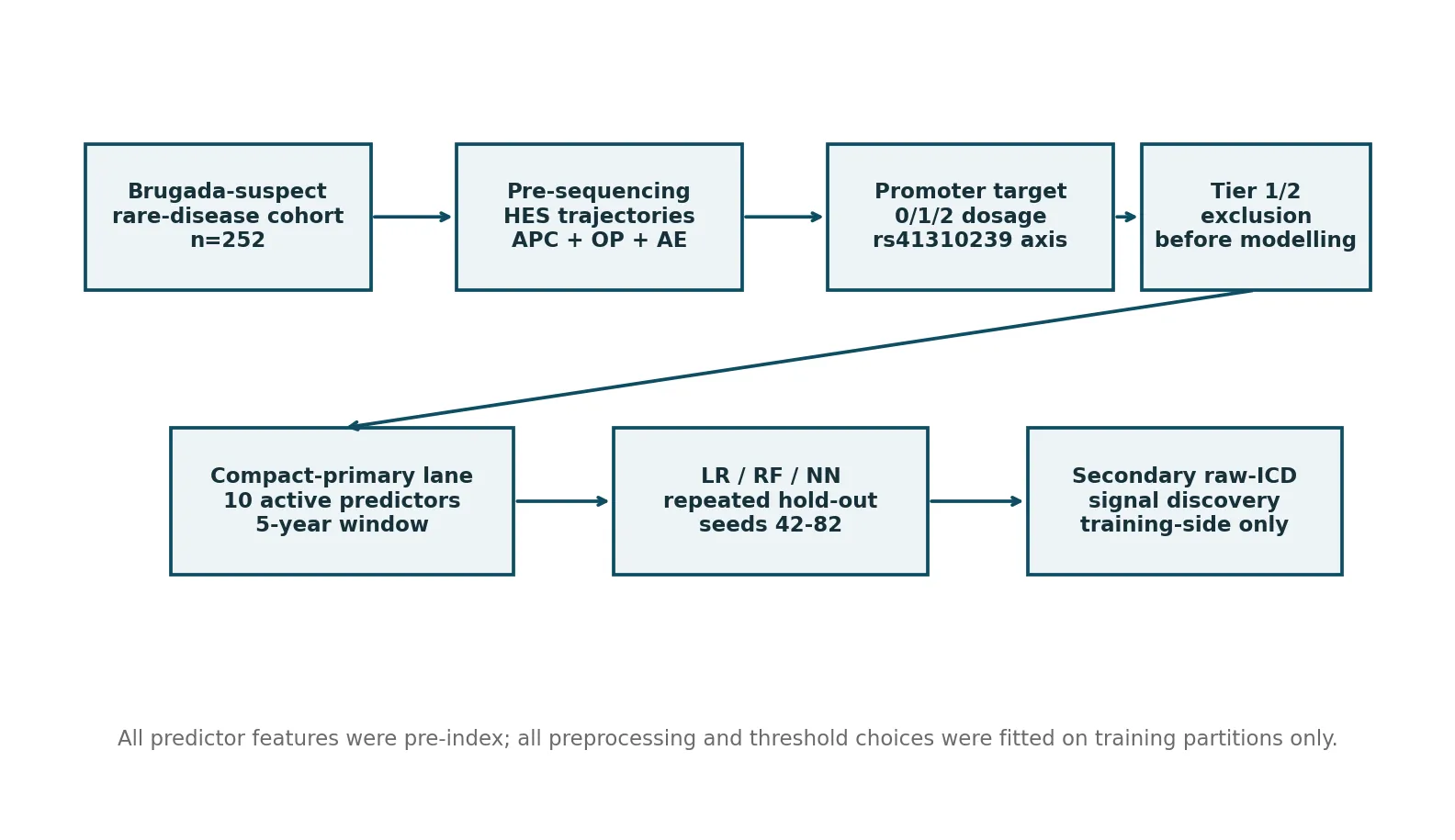
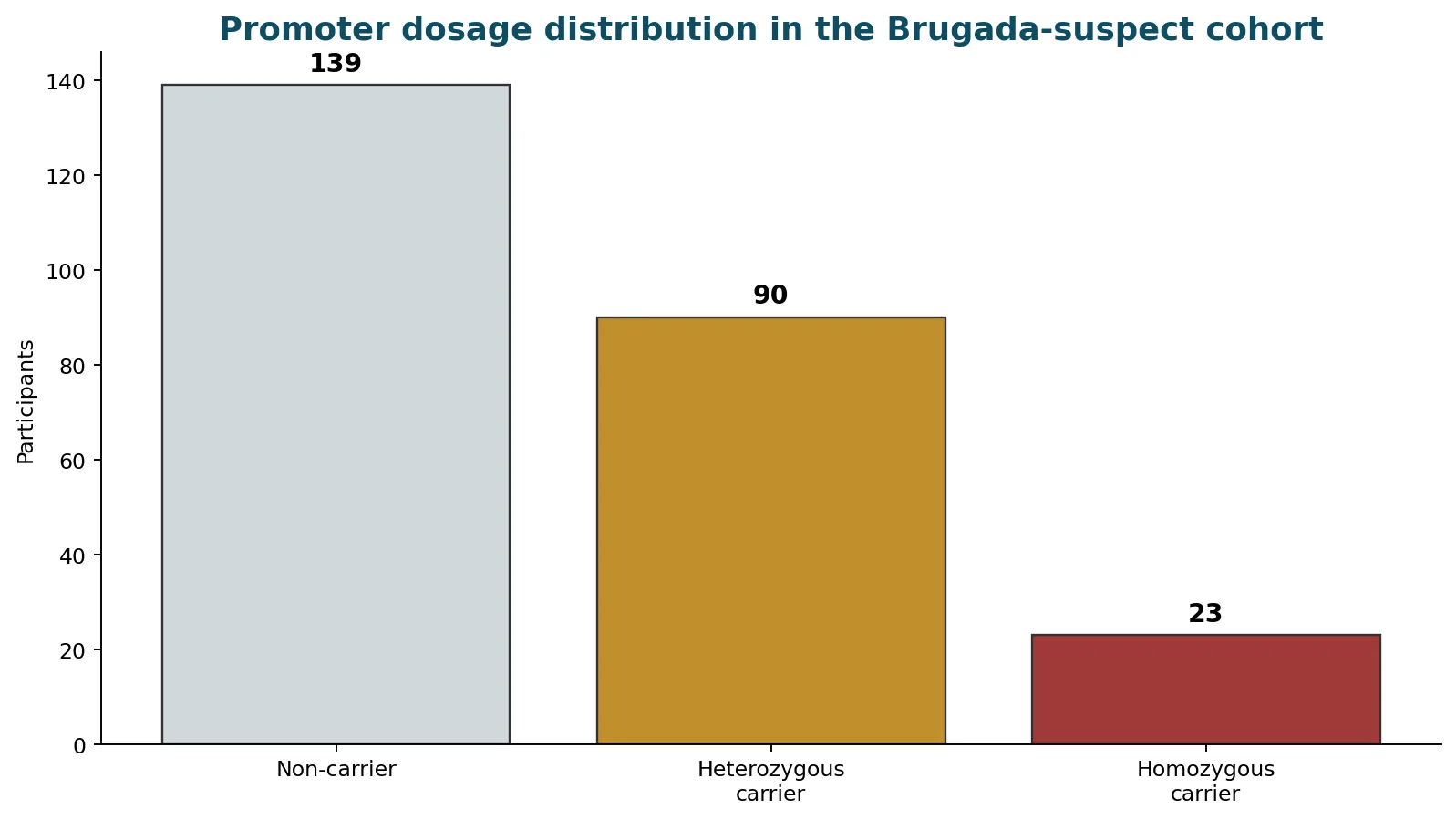
This project trained the discipline of working with uncertain biomedical data: defining cohorts carefully, controlling leakage, comparing model families and reporting limits honestly. The research used secure, genomics-linked hospital trajectory analysis in a Brugada-suspect cohort.
My role
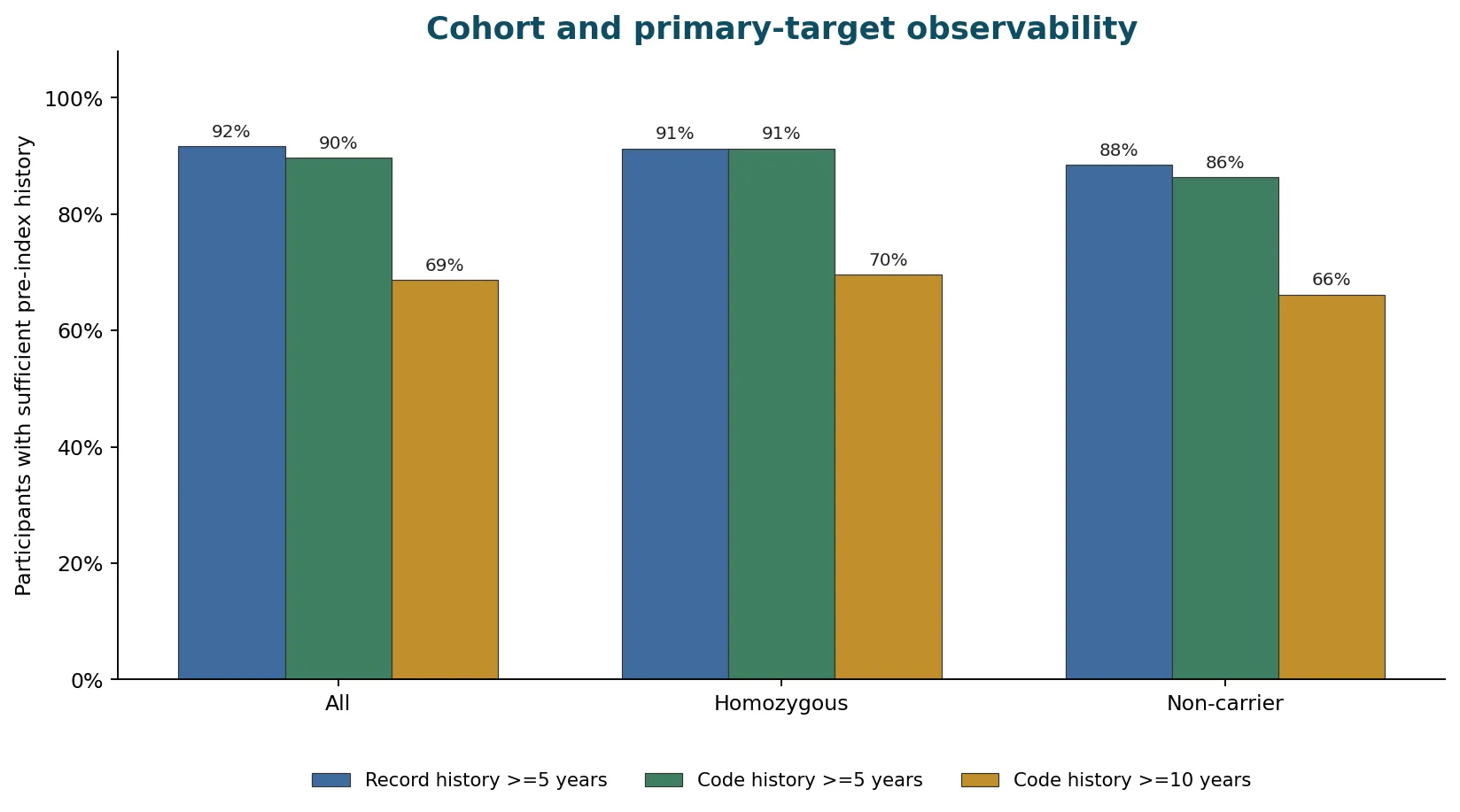
I worked within approved secure research arrangements, using temporally bounded hospital episode data before the genetic sequencing index date and maintaining clear boundaries around target definitions, leakage control, reproducibility and limitations.
Approach
- Retrospective machine-learning analysis in a secure research environment.
- Governance-controlled Brugada-suspect research cohort with temporal indexing.
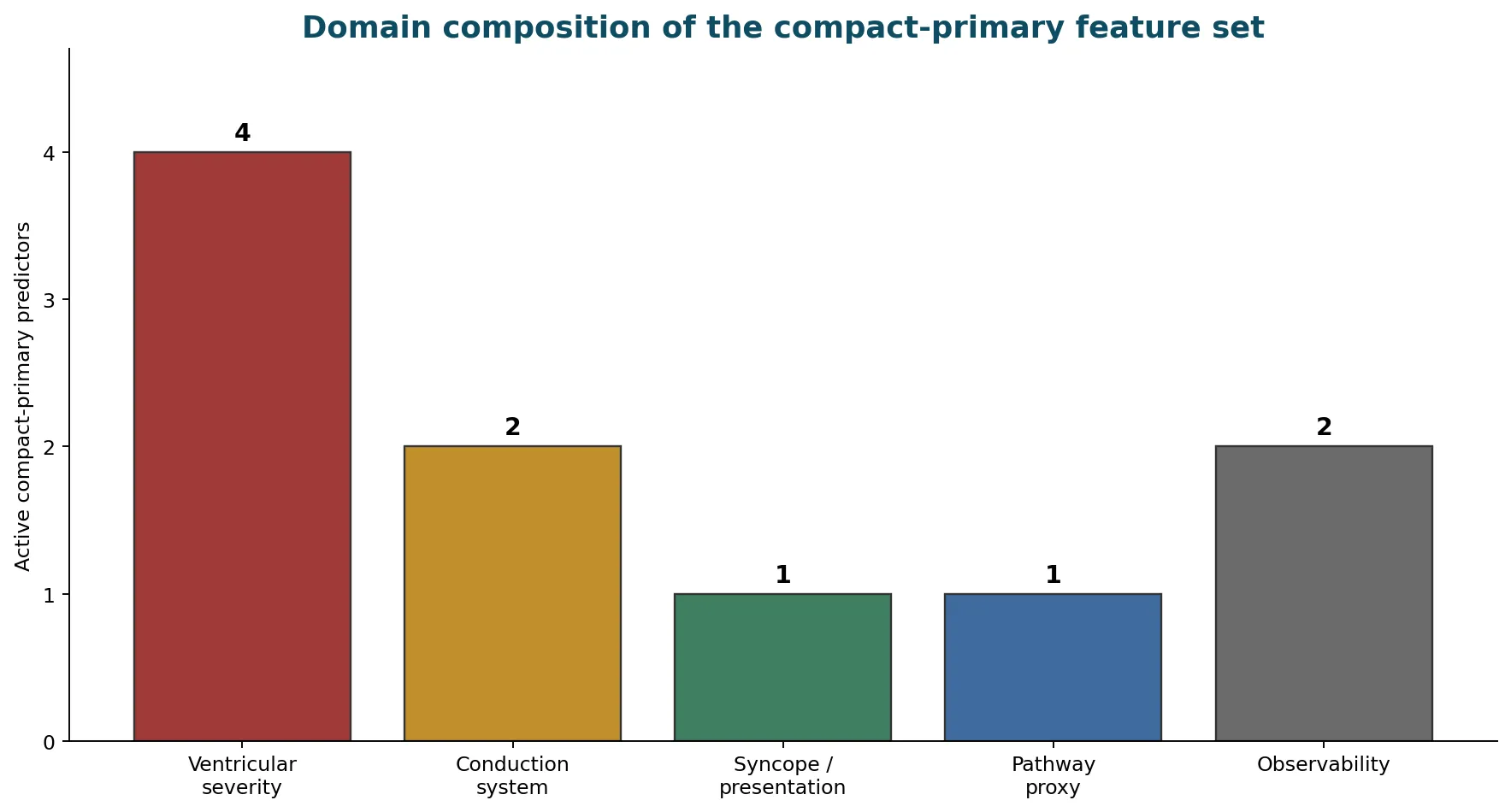
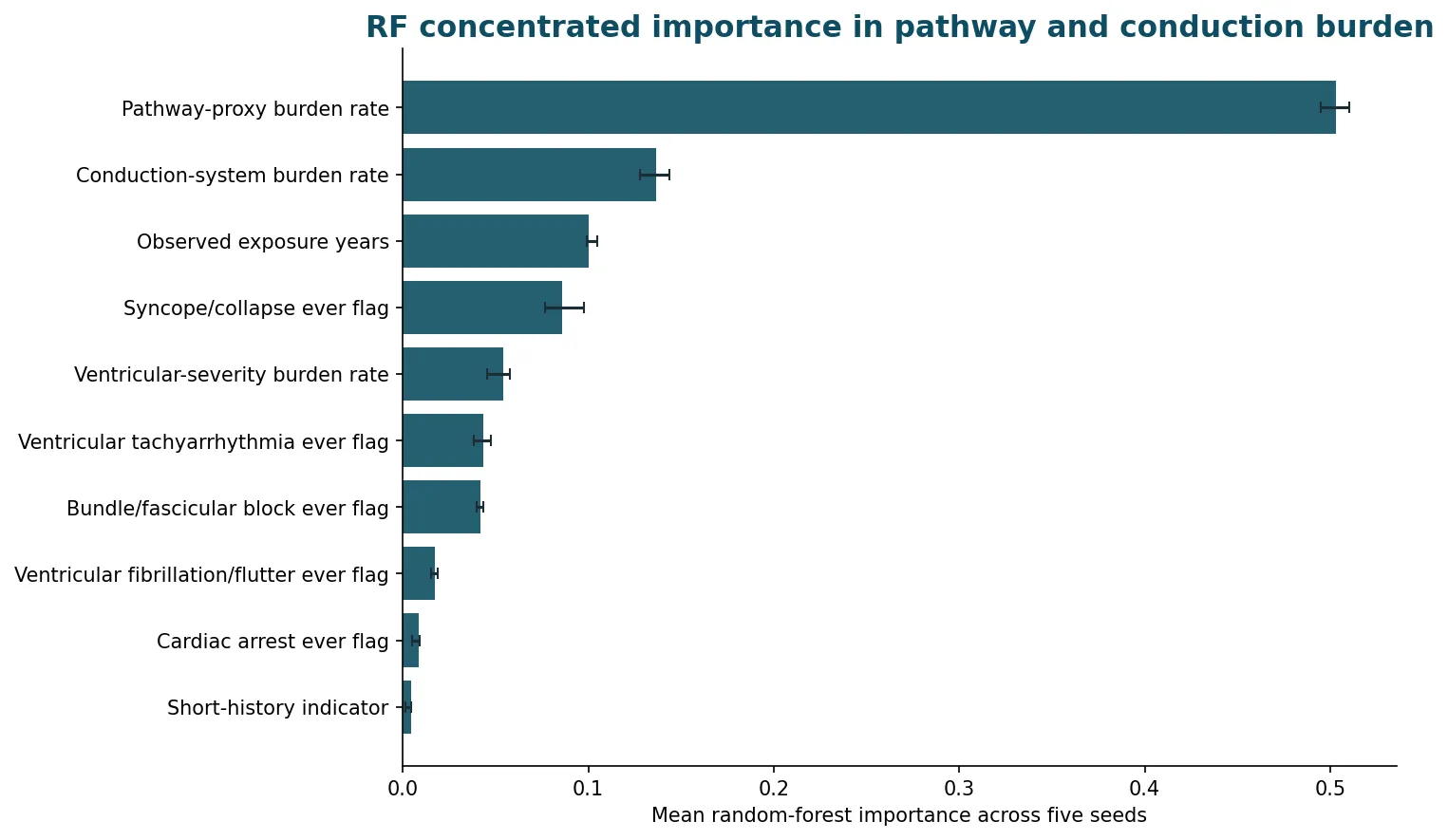
- Grouped ICD/OPCS and utilisation-style feature reasoning.
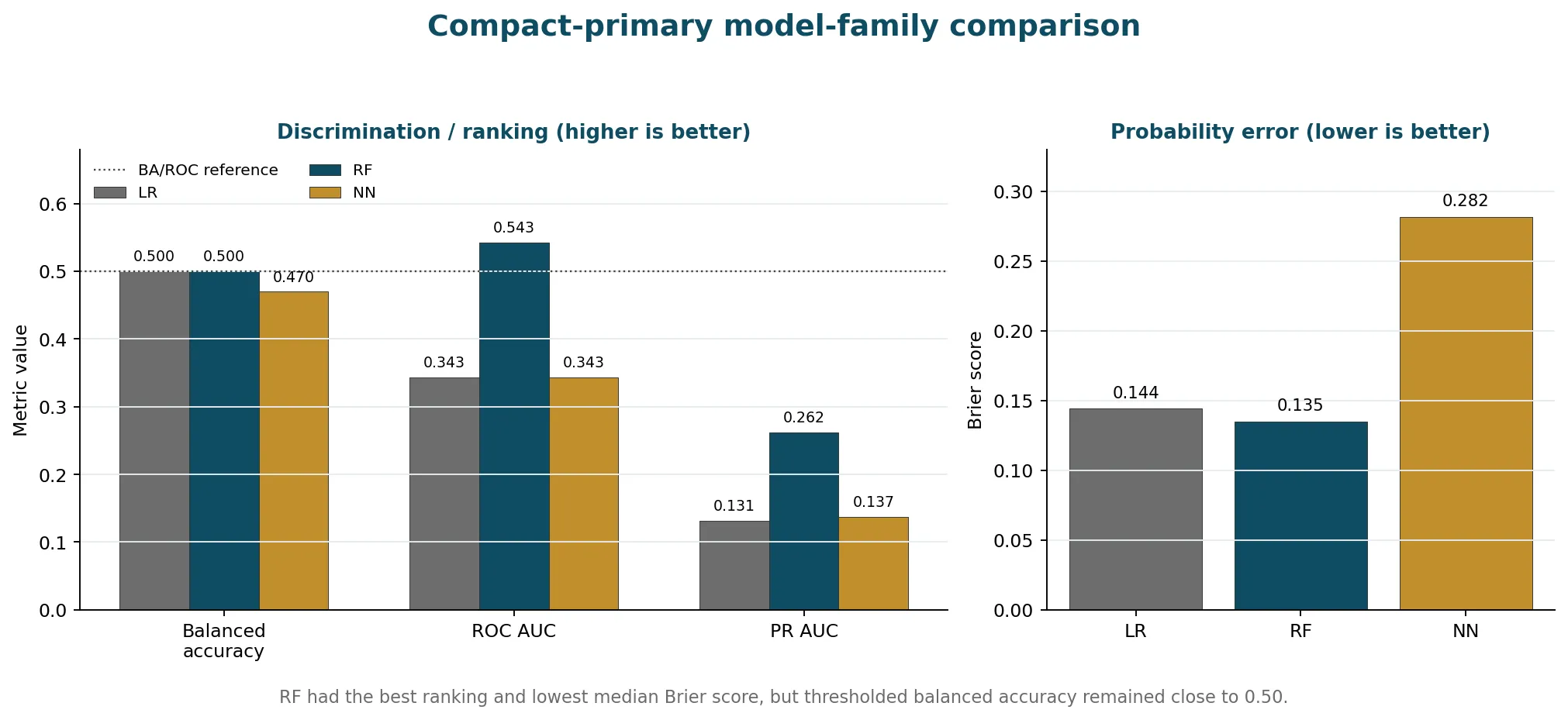
- Implementation of logistic regression, random forest and neural networks.
- Comparison of baseline model families, including interpretable and non-linear approaches.
- Repeated attention to imbalance, instability, calibration limits and disclosure risk.
Selected outputs
I describe the research design, governance handling, method discipline and limitations. The public material does not include raw outputs or disclosure-sensitive results.
What this shows
The project shows how I handle uncertainty. I can build a structured analysis, keep the clinical and data limits visible, and resist turning modest signals into claims the evidence cannot carry.